
CO-PARENTING · NINE SESSIONS
The Peace Table
When two people cannot agree, the children still need both of them to function. The Peace Table does not require agreement. It requires a framework strong enough to work without it.

-
9 Sessions
-
$5,000
-
Court or Private
-
Individual + Joint
Co-parenting in a high-conflict dynamic is not a communication problem that better communication will solve. The other parent is not miscommunicating. They are operating from a different set of priorities, and those priorities do not include making this easy for you or for the children.
The Peace Table acknowledges that reality and builds around it. The objective is not to improve the relationship. The objective is to create a co-parenting structure that functions whether or not both parties are willing to cooperate, and that protects the children from the adult conflict in the meantime.
Natalie works with each parent separately in the early sessions, then brings the framework into the joint sessions with a precision that comes from understanding both dynamics from the inside.
Nine sessions. A co-parenting framework that works without agreement.
WHAT THIS ENGAGEMENT DOES
THE THREE PHASES
A structured process, not an open-ended conversation.
-

Phase 1
INDIVIDUAL ASSESSMENT
Natalie meets with each parent separately to understand their communication patterns, escalation triggers, and the specific dynamics driving the breakdown. Each parent is seen without the other present.
-
Phase 2
FRAMEWORK DEVELOPMENT
A structured co-parenting framework is built based on what the assessment reveals. Communication protocols, handoff procedures, decision-making processes, and escalation management, all specific to this family.
-
Phase 3
IMPLEMENTATION & CHILDREN
The framework is introduced and practiced in joint sessions. Child-focused sessions assess the impact on the children and reinforce the stability the framework is designed to provide.
A NOTE ON THE CHILDREN
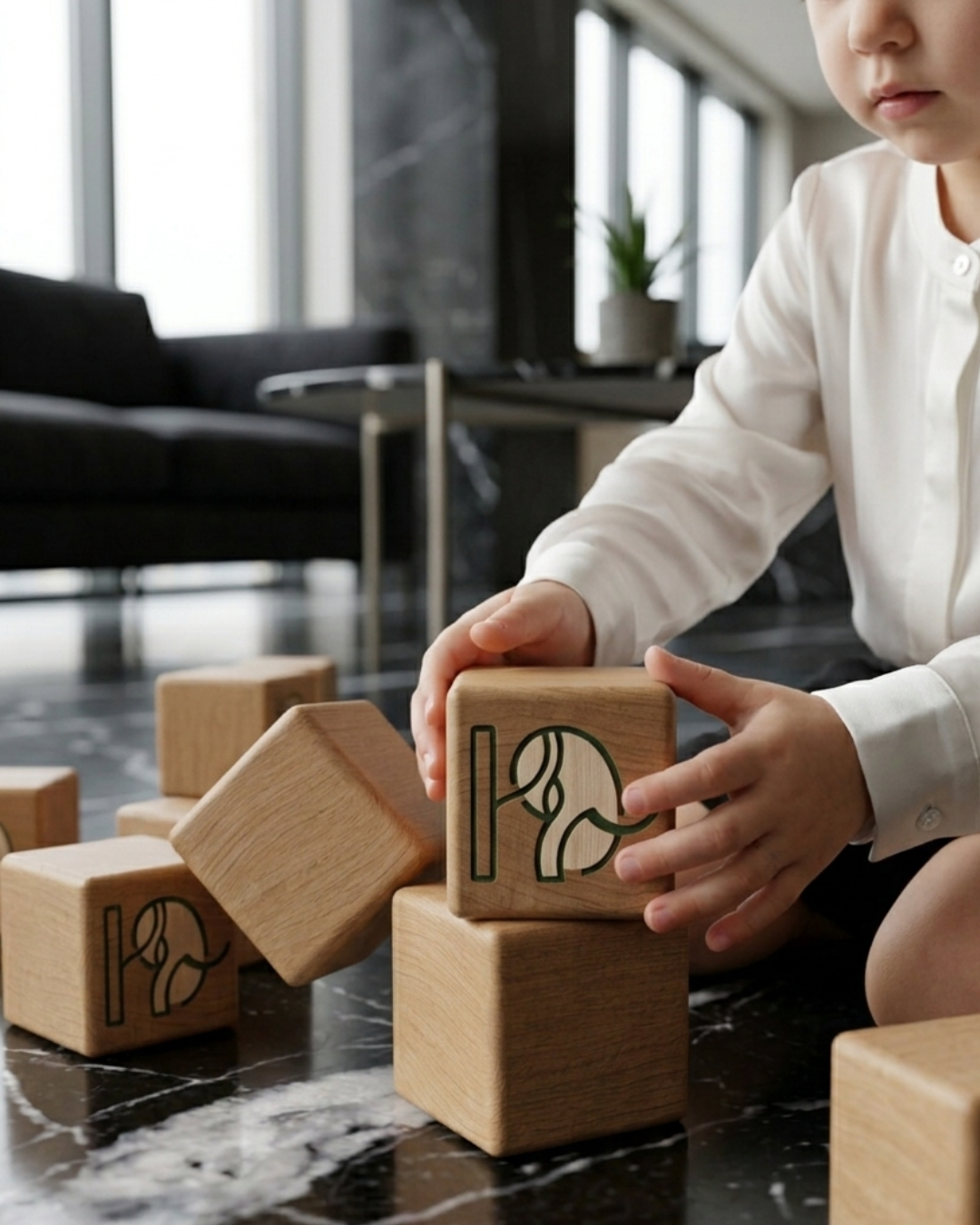
The work is done by the adults. The outcome belongs to the children.
Child-focused sessions are included in The Peace Table process. These are not family therapy sessions and they are not mediation. They are a clinical assessment of how the conflict is affecting the children and what the framework needs to do to reduce that impact.
Natalie's background as a CFI and clinical counselor means she is equipped to assess child impact with a level of precision that most co-parenting coaches cannot offer. That assessment informs the framework and, when applicable, the court documentation that follows.
This is the highest level of co-parenting training offered, and parents succeeding in this program will receive certificates to submit to the Court outlining their completion of The Peace Table program.

"The children do not need their parents to like each other. They need them to be reliable. That is what this process builds."
COURT-REFERRED ENGAGEMENTS
When a judge orders The Peace Table, the process is the same.
The Peace Table accepts both court-referred and privately engaged clients. For court-referred engagements, documentation of participation and completion is provided in the format required. The process itself does not change based on how the engagement was initiated. Both parents must consent to participate regardless of how the referral was made.


GET STARTED
The children deserve a framework
that works regardless of what the adults decide.
Both parents must consent to participate. Court-referred and privately engaged clients are both welcome. The intake consultation is confidential and separate for each parent.